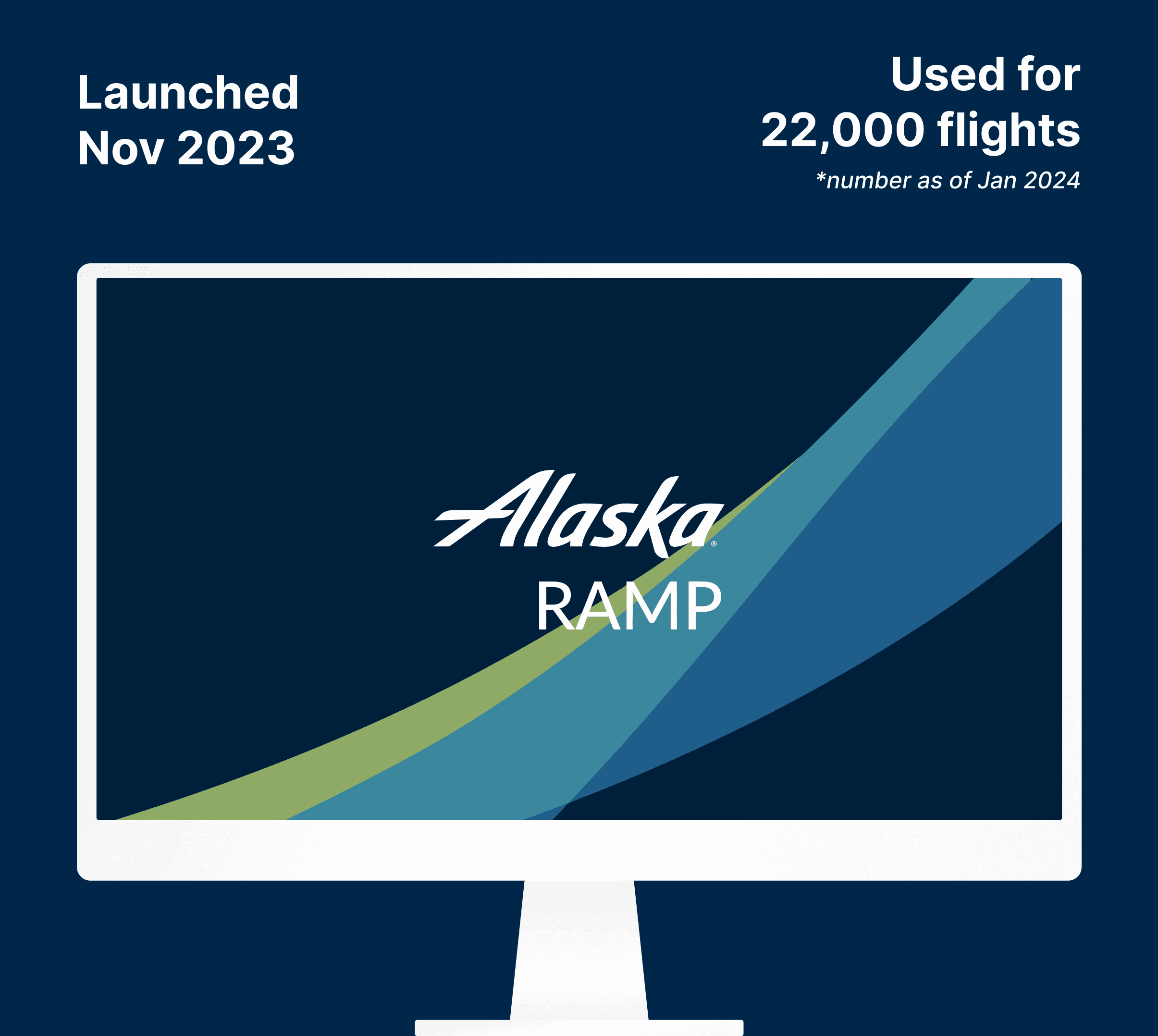
RAMP Admin
Duration
May 2023 - Aug 2023
Partners
Product Managers, Engineers, Airport Ramp Managers, & Ramp Agents
My Role
As the sole designer on the Ramp Admin project during my internship, I led the full design process. From early wireframes to the final high-fidelity experience now in use today.

Disclaimer: All content shown is fully sanitized and excludes PII, guest data, and restricted company information. Only non-confidential design artifacts are presented.
0. Context
Who am I designing for?
Ramp agents load, unload, and route checked bags to the correct aircraft. They get their assigned by station admins who assign agents to flights throughout the day. Each station admin will oversee tens of ramp agents. Agents are handling hundreds of thousands of flights a day. They are a key stone to Alaska Airlines' operations
What am I solving for?
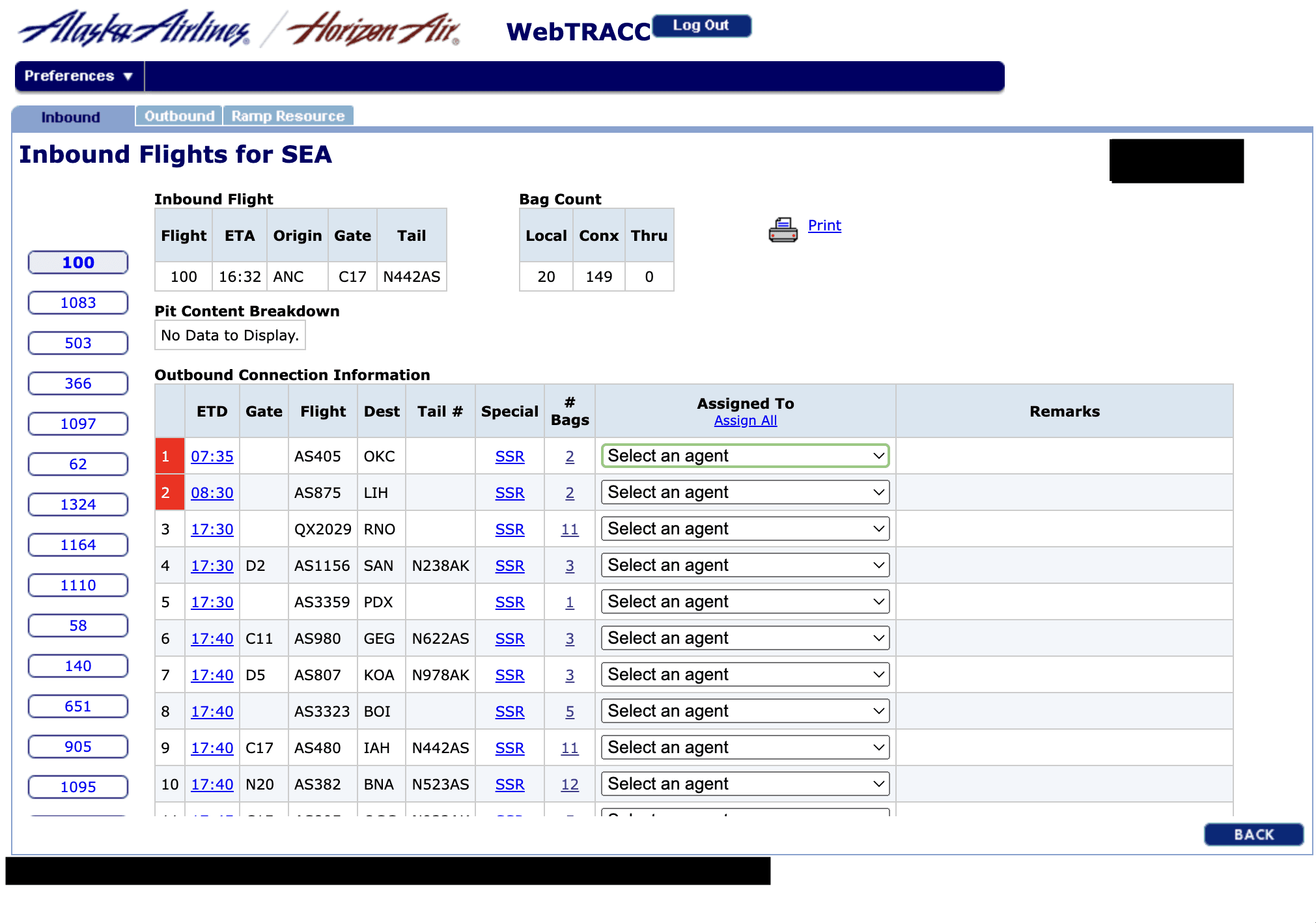
Station admins don't have a modern solution for assigning flights to their agents. Most admins either use an outdated proprietary software called WebTracc, or they use an unruly excel sheet in which they communicate with their agents via radio. There is a lack of consistency and there are multiple fail points. Agents will go onto RAMP Mobile, the application they use to get flight details and to scan bags. Agents will try to find their assigned flight from a long list on the mobile app.
1. Research
1.1 Secondary Research
Admins currently rely on two disconnected tools: WebTracc and daily Excel sheets. WebTracc’s outdated interface makes even basic tasks slow, while Excel requires manual, error‑prone updates. Together, these tools create friction, inconsistency, and mental load for admins.
Confidential information is redacted
1.2 Heuristic Evaluation
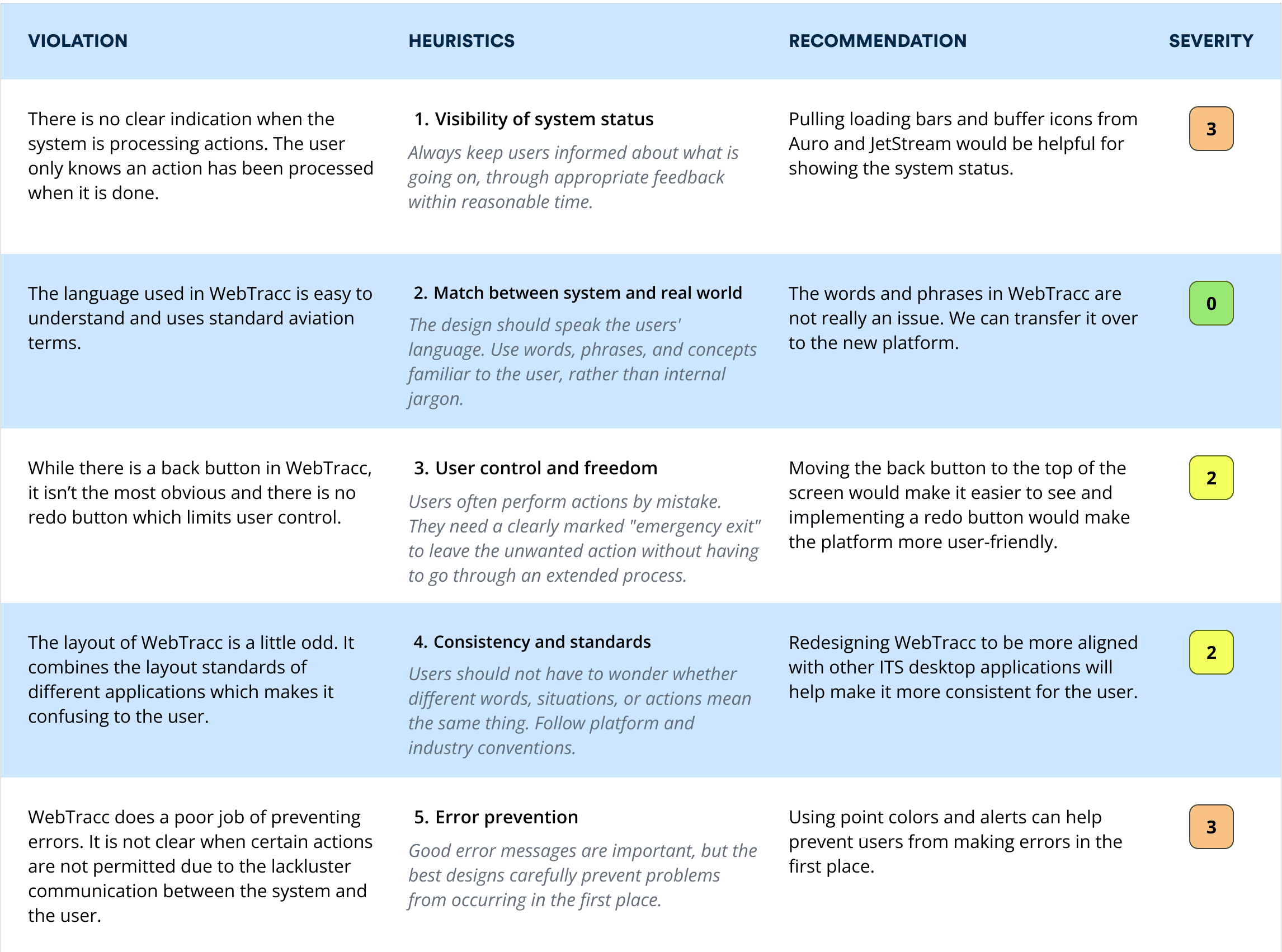
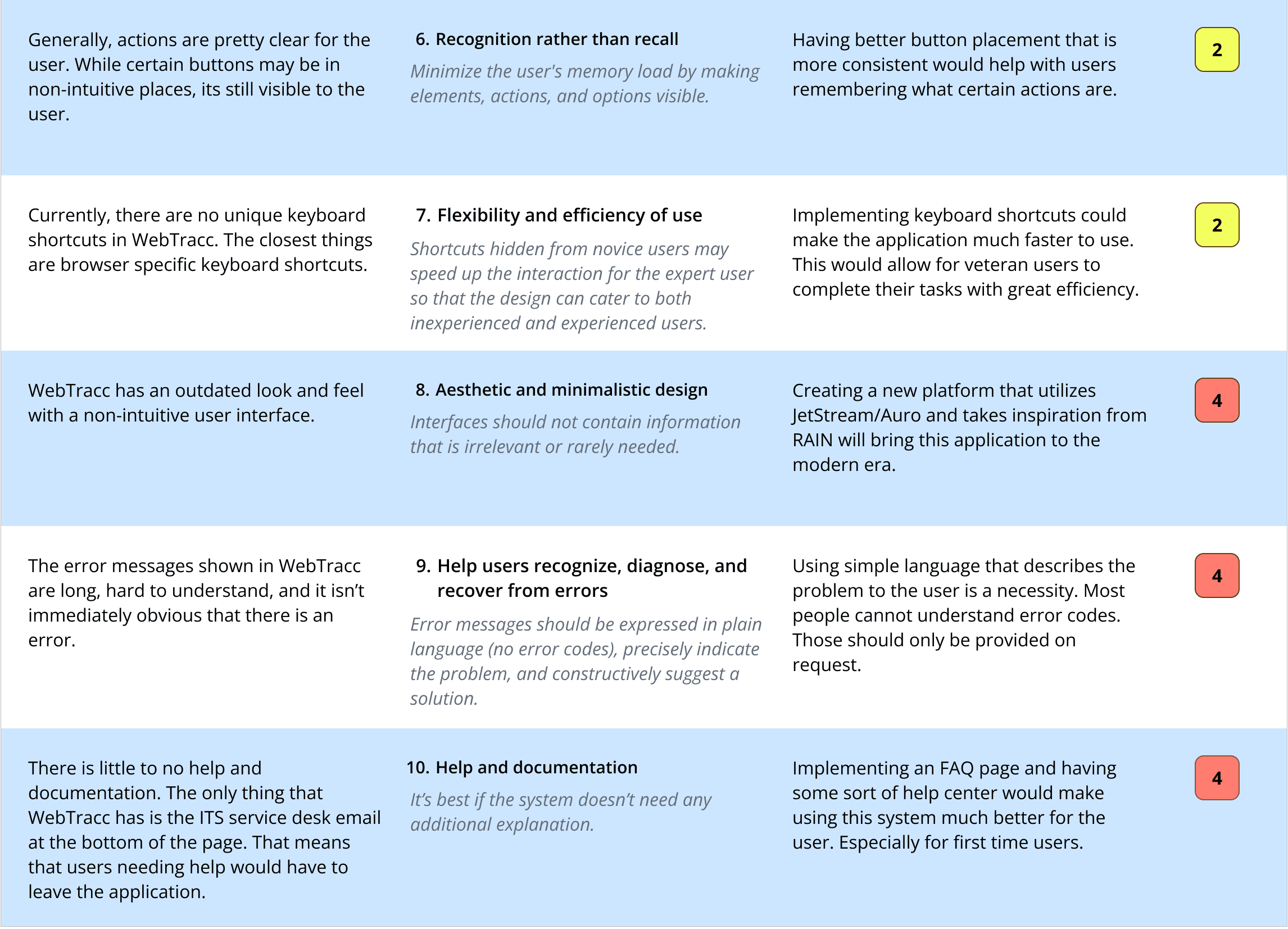
To understand the limitations of WebTracc, I performed a heuristic evaluation scoring usability issues on a 0–4 scale. The results revealed significant problems in navigation, error prevention, and information hierarchy. Several areas were flagged as being high‑priority issues. These findings highlighted the core areas the new product would need to address.
1.3 Primary Research
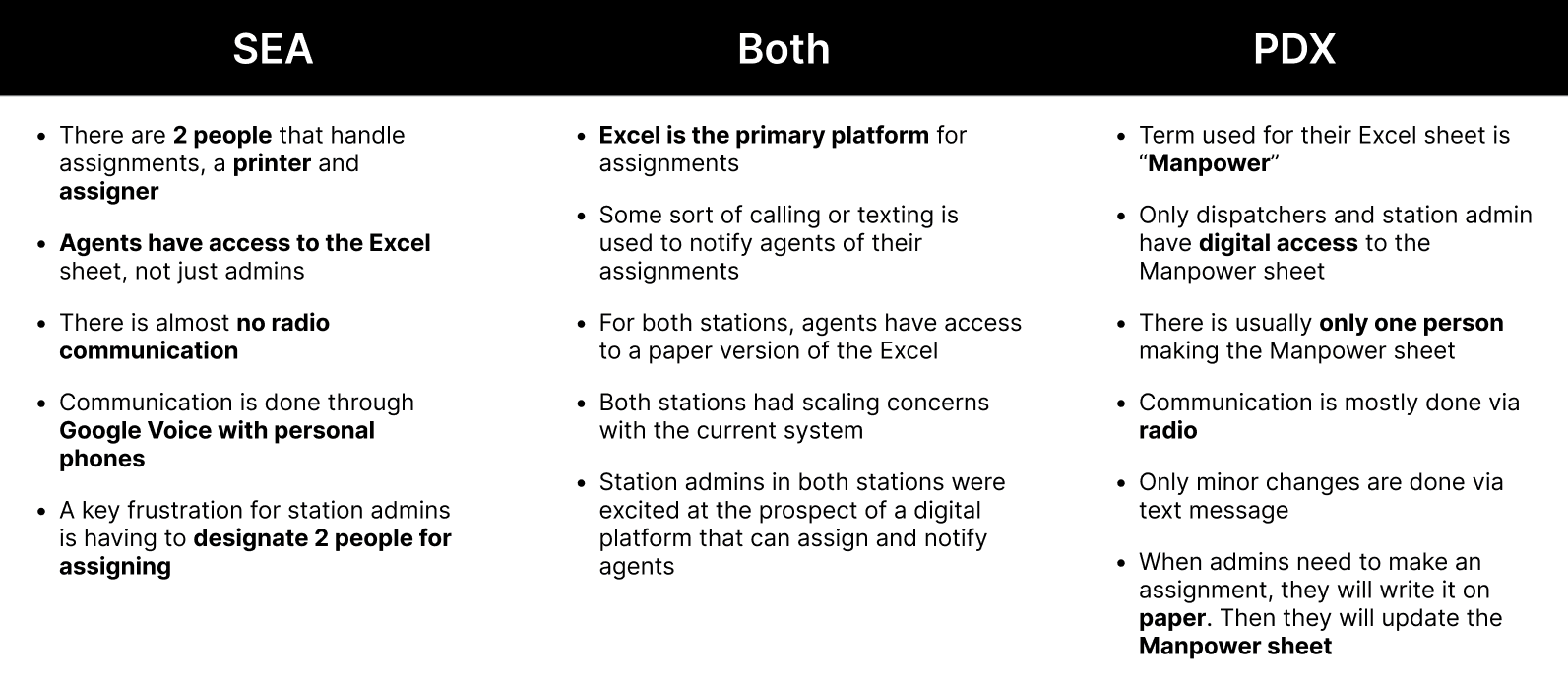
I visited both the Seattle and Portland airports to observe workflows and interview admins and ramp agents. Both airports rely heavily on Excel for personnel availability, but differ in how they divide roles and communicate. I learned that personal phones, Google Voice texting, and verbal updates fill gaps that a unified system could solve.

Ivan Holiday | Station Admin
Age: 30
Tenure: 5 years
Background: Ivan has been a station admin for 4 years now at Alaska Airlines. His day to day involves assigning agents to work flights and keep track of personnel. He is currently using an excel sheet that has been maintained by his preceeding managers. He then uses radio to notify his agents of the flights they need to work on. His agents then use their RAMP mobile application to find the specific flight they are supposed to work on.
Needs:
An overview of what flights are assigned and what flights aren’t assigned
Ability to assign flights to active ramp agents
Ideally help in dictating which ramp agents to assign
Way to communicate with folks on the ramp
Frustrations:
Inefficient methods of communications
Excel sheet is not standardized and is time consuming to understand
Current system does not handle sudden changes well
2. Ideation
2.1 Insights & Opportunities
Synthesizing research revealed clear opportunities: unify assignment workflows, reduce manual Excel usage, centralize communication, and display real‑time personnel availability. These opportunities formed the foundation for the new platform’s architecture and interaction model.
2.2 Early Wireframes
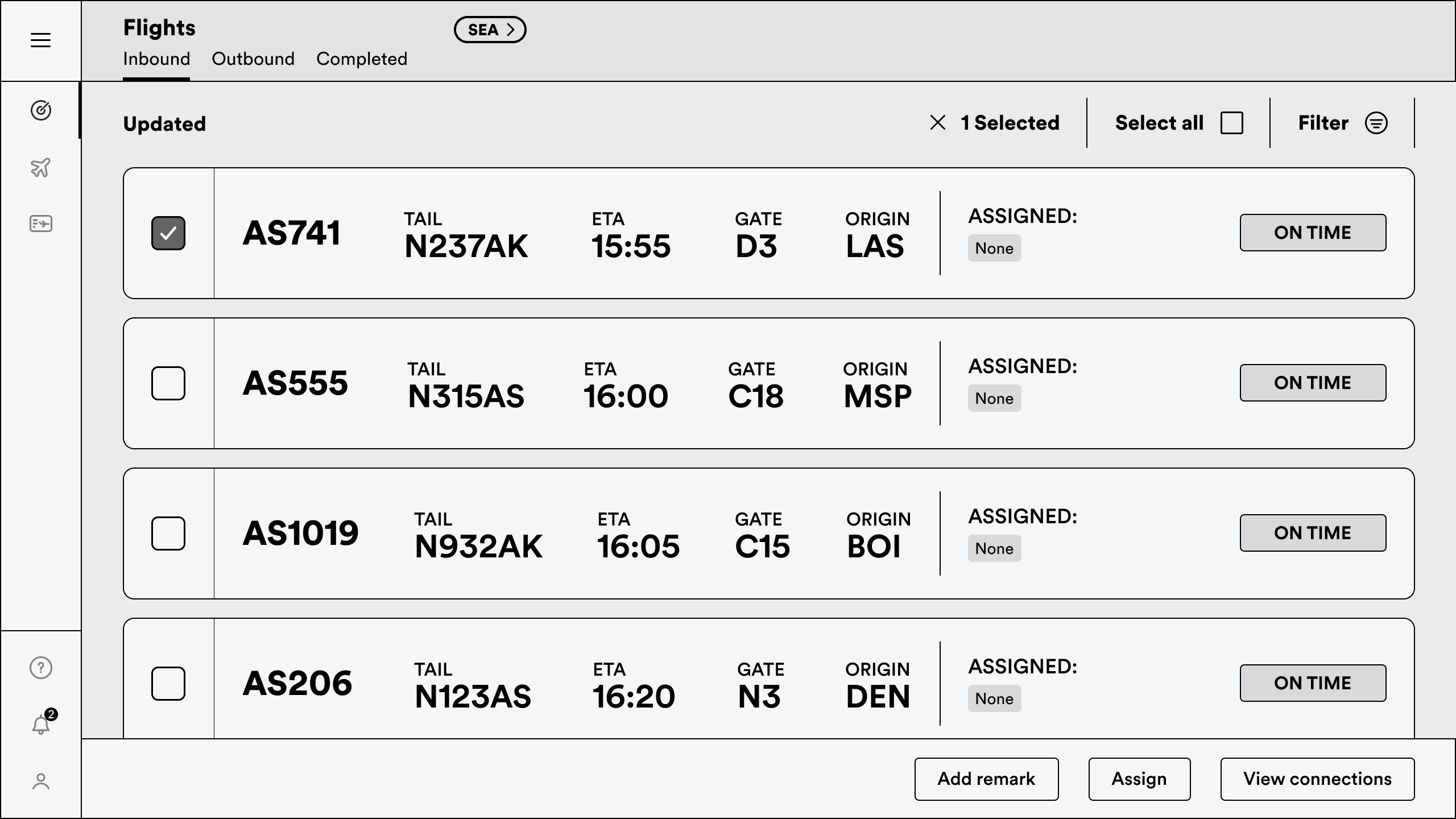
Early wireframes focused on simplifying mental load through clean navigation, clear status indicators, and intuitive assignment modals. The goal was to enable fast decision‑making with minimal clicks, ensuring admins could handle rapid‑fire tasks during peak operations.
Confidential information is redacted
2.3 Prototype Testing
I tested the interactive prototype with five users across multiple stations. Users completed inbound and connection assignment tasks with 100% success and rated task difficulty at 4.7/5 (very easy), validating the flow’s clarity. Information organization scored high as well, though inbound pages had room for optimization based on feedback.
3. Design
3.1 High-Fidelity Overview
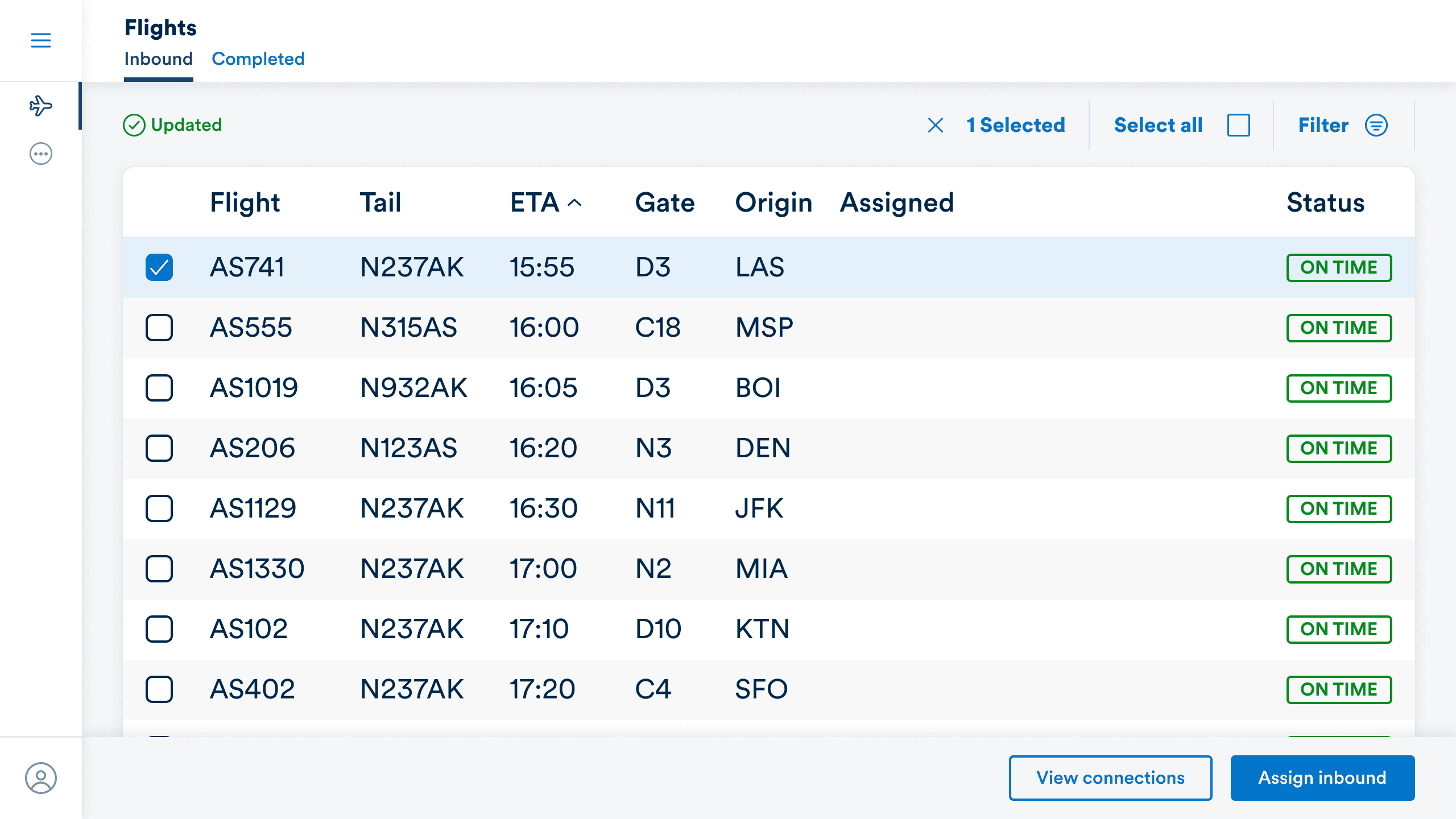
Using the internal design system, I transformed the validated wireframes into a polished, accessible interface. The visual system emphasizes hierarchy, agent availability, and clean task flows that reduce cognitive load and support quick reactions in busy environments.
3.2 Inbound Assignment Flow
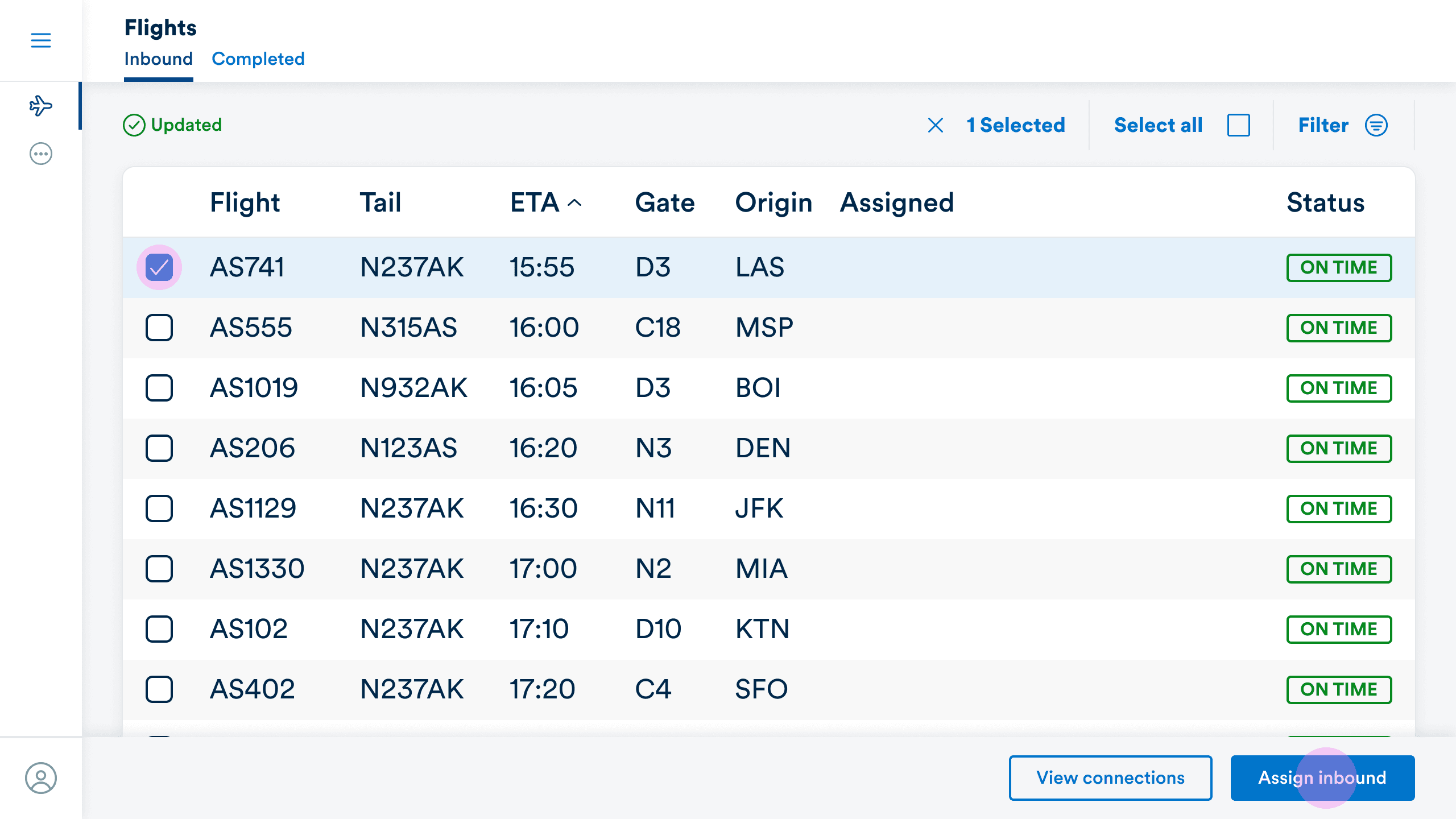
Inbound flights
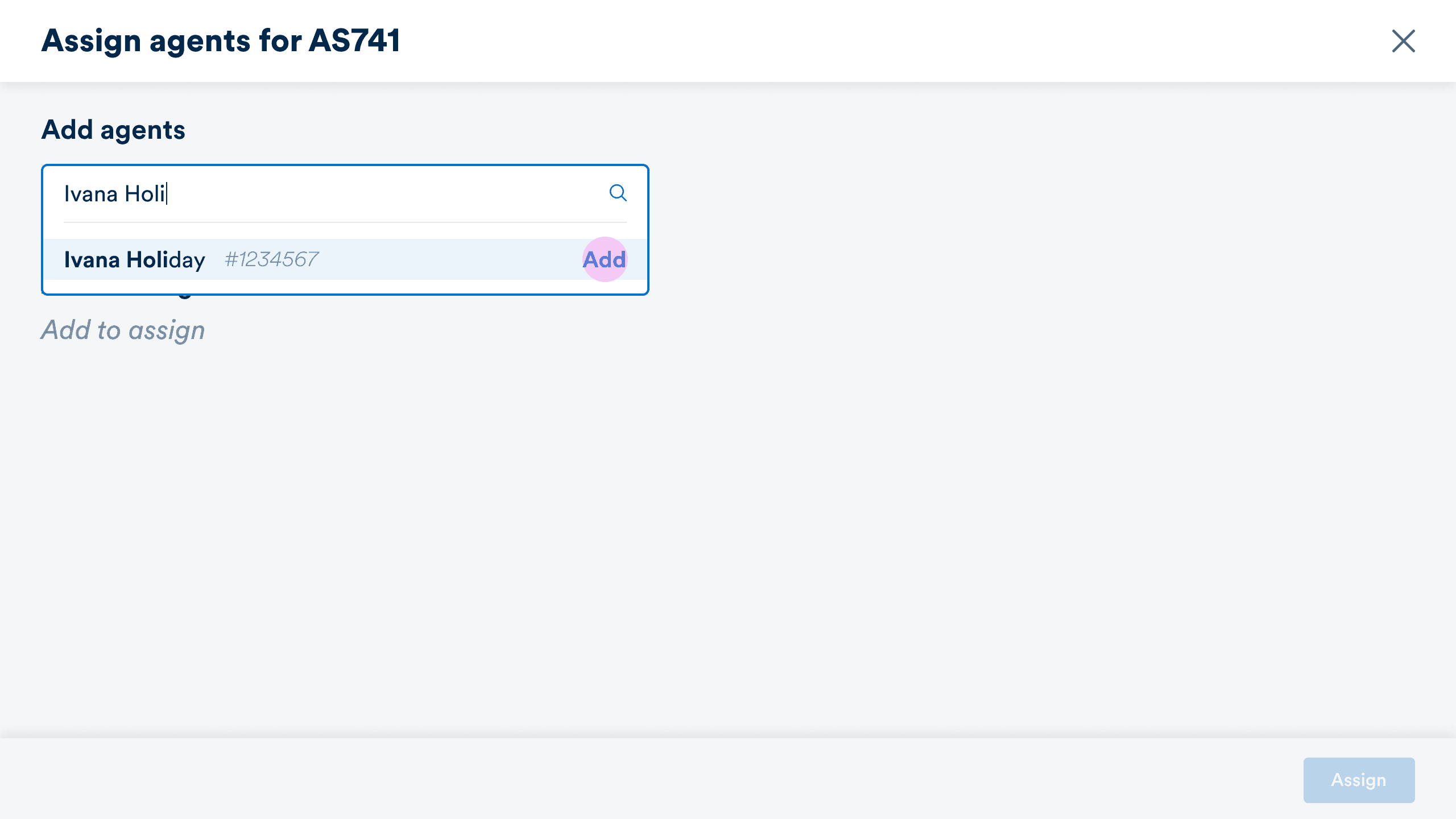
Searching for agents
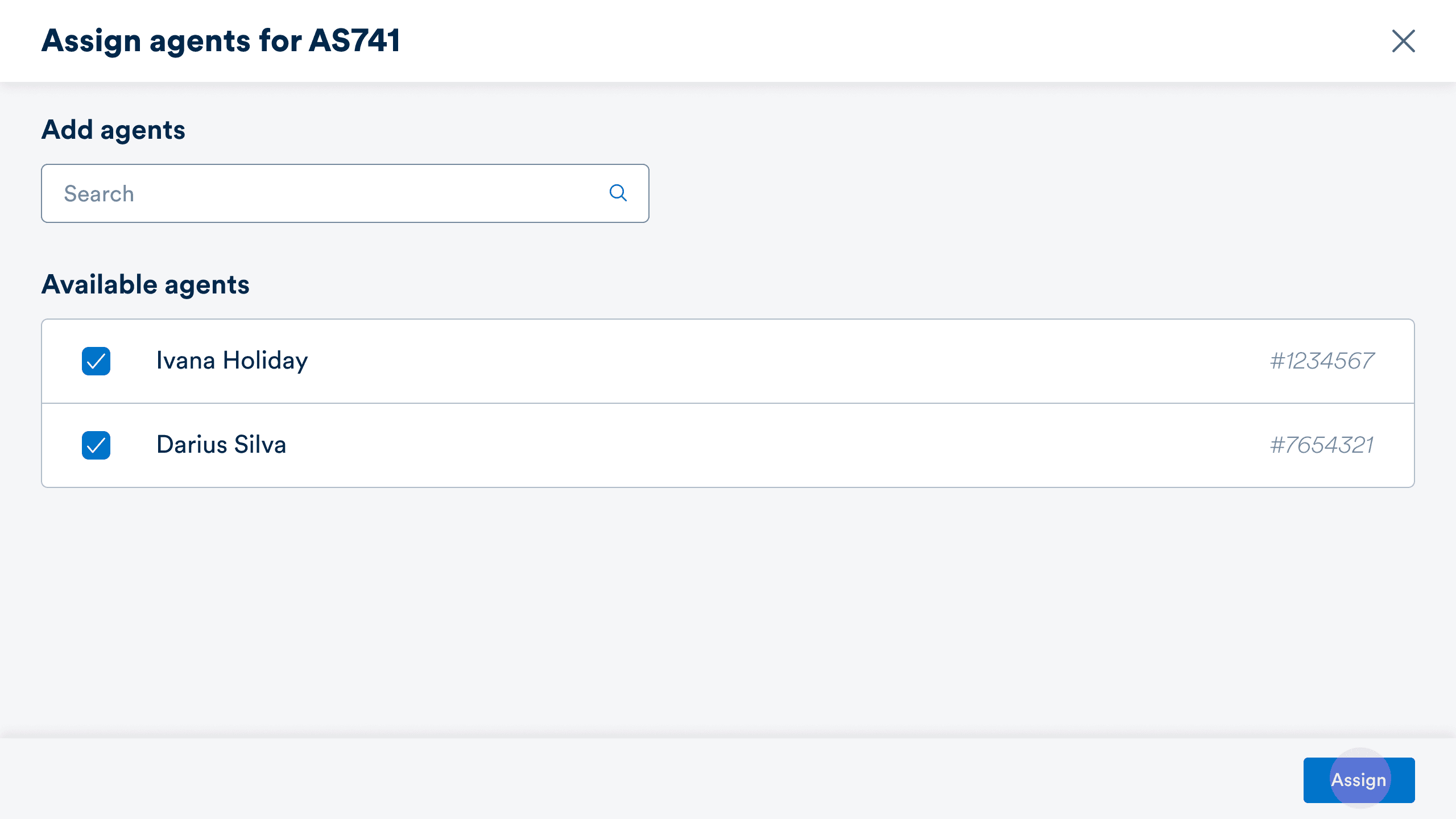
Agents selected
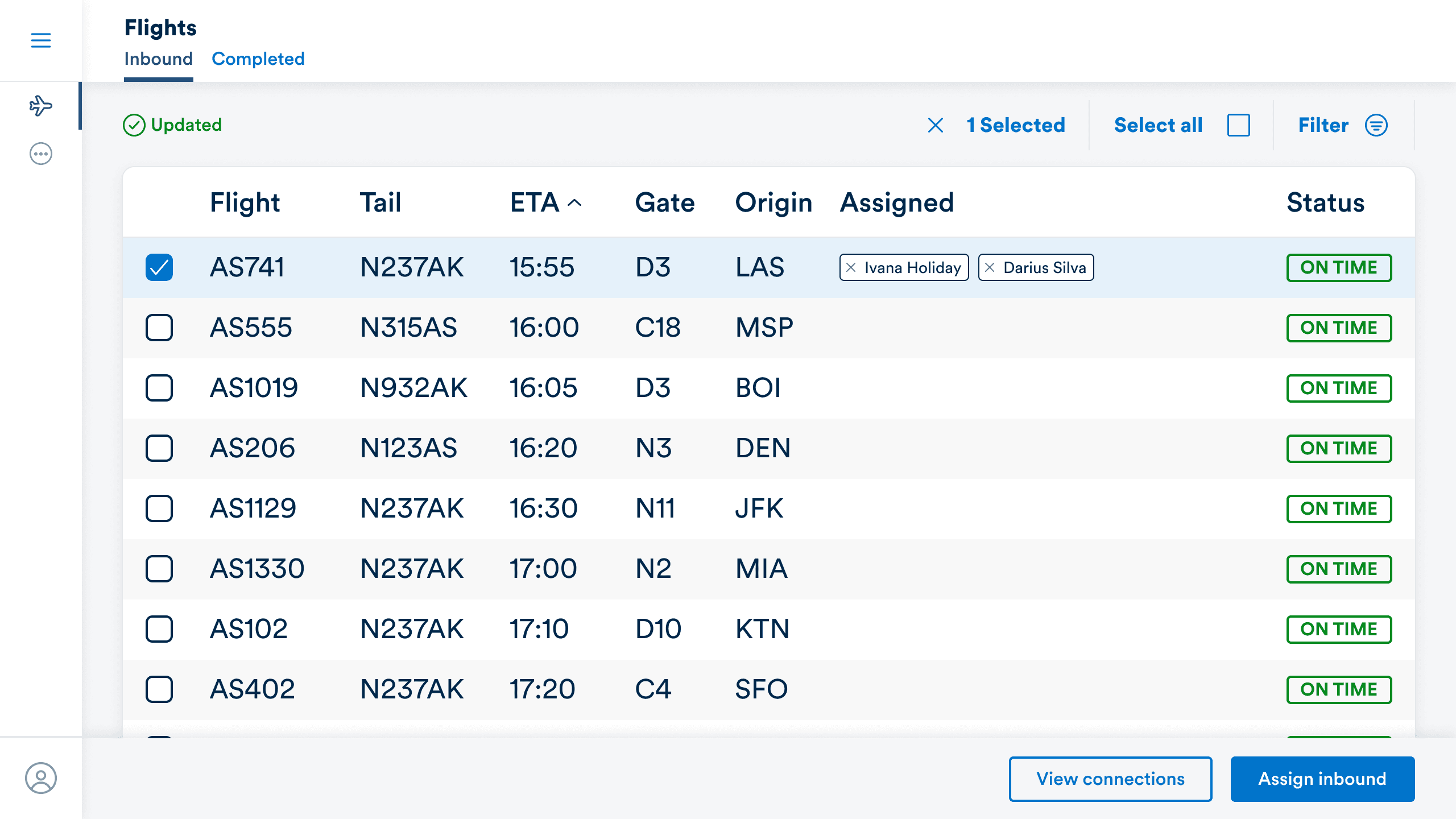
Inbound flight assignment made
3.3 Connection Assignment Flow
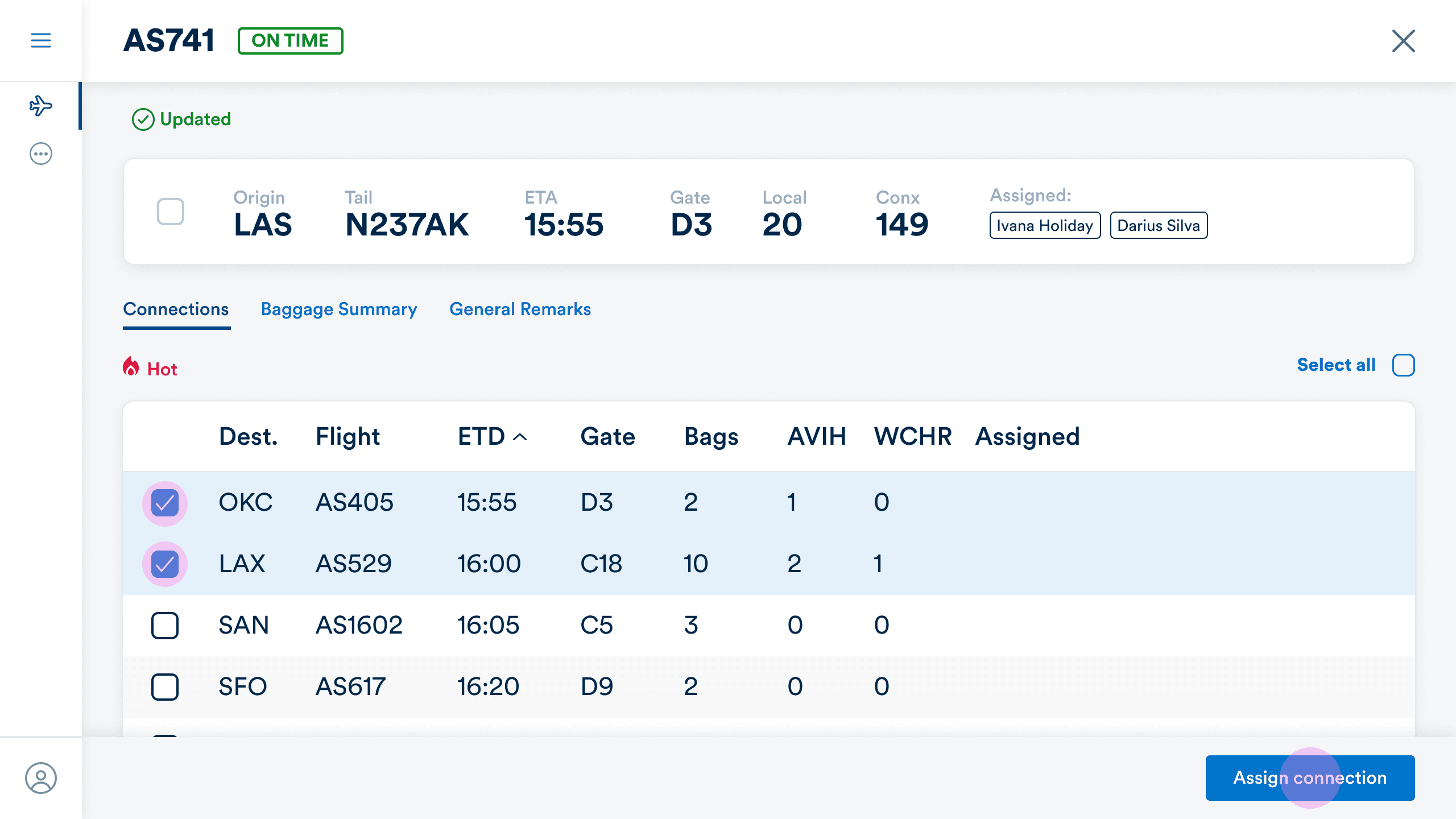
Connecting flights selected
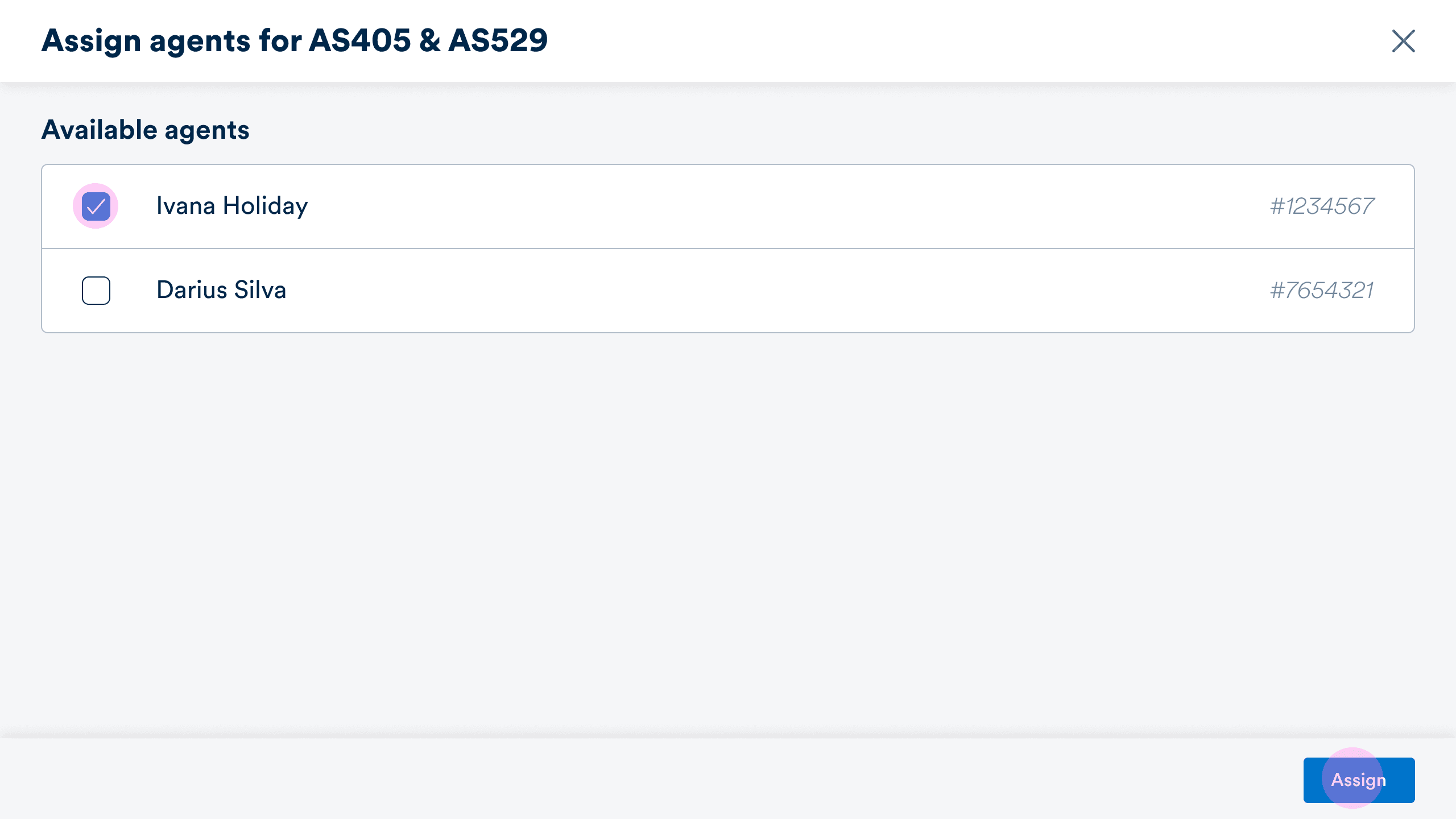
Agent selected
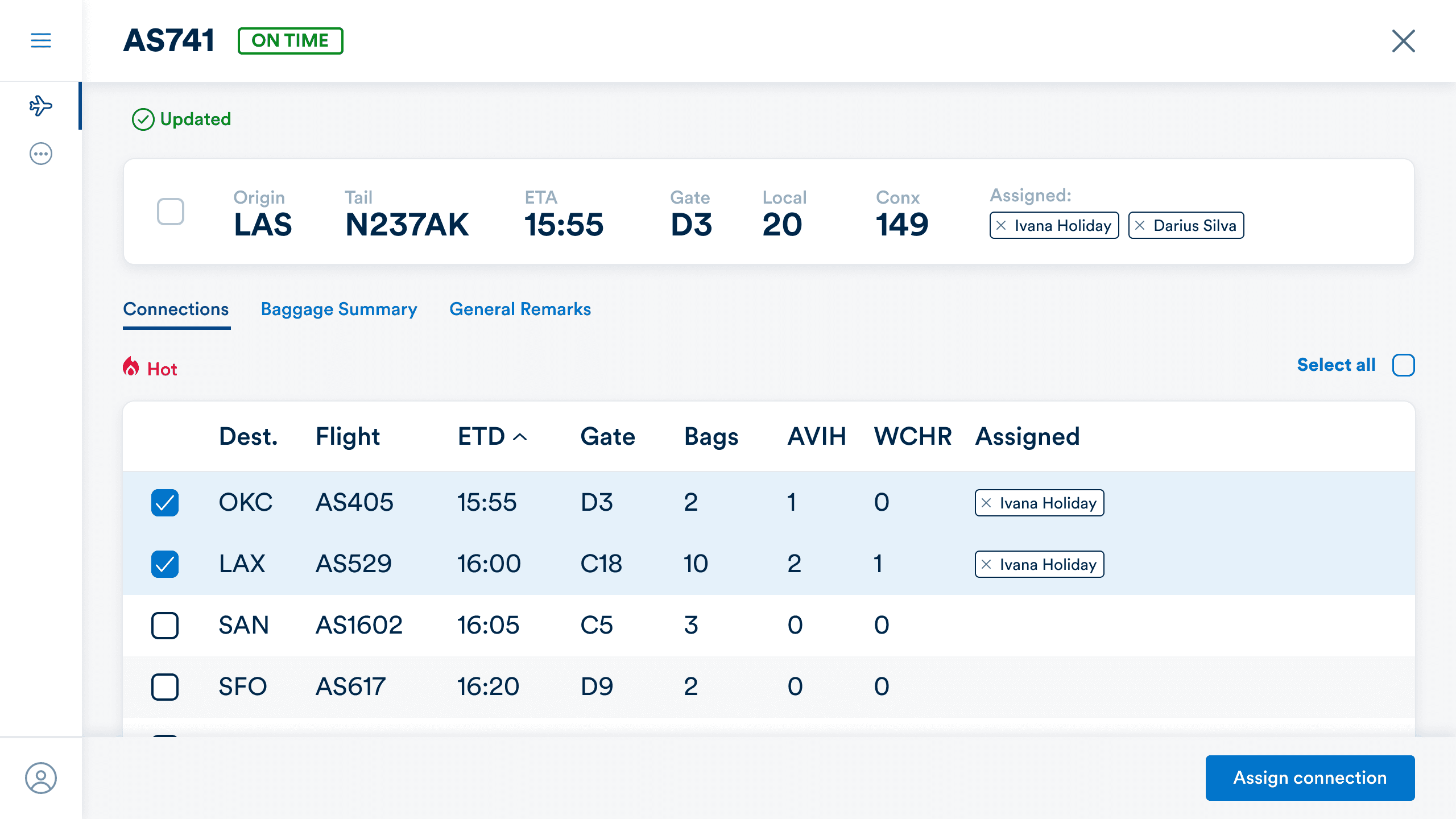
Agents assigned to connections
3.4 Admin to Mobile
Assignment made on RAMP Admin
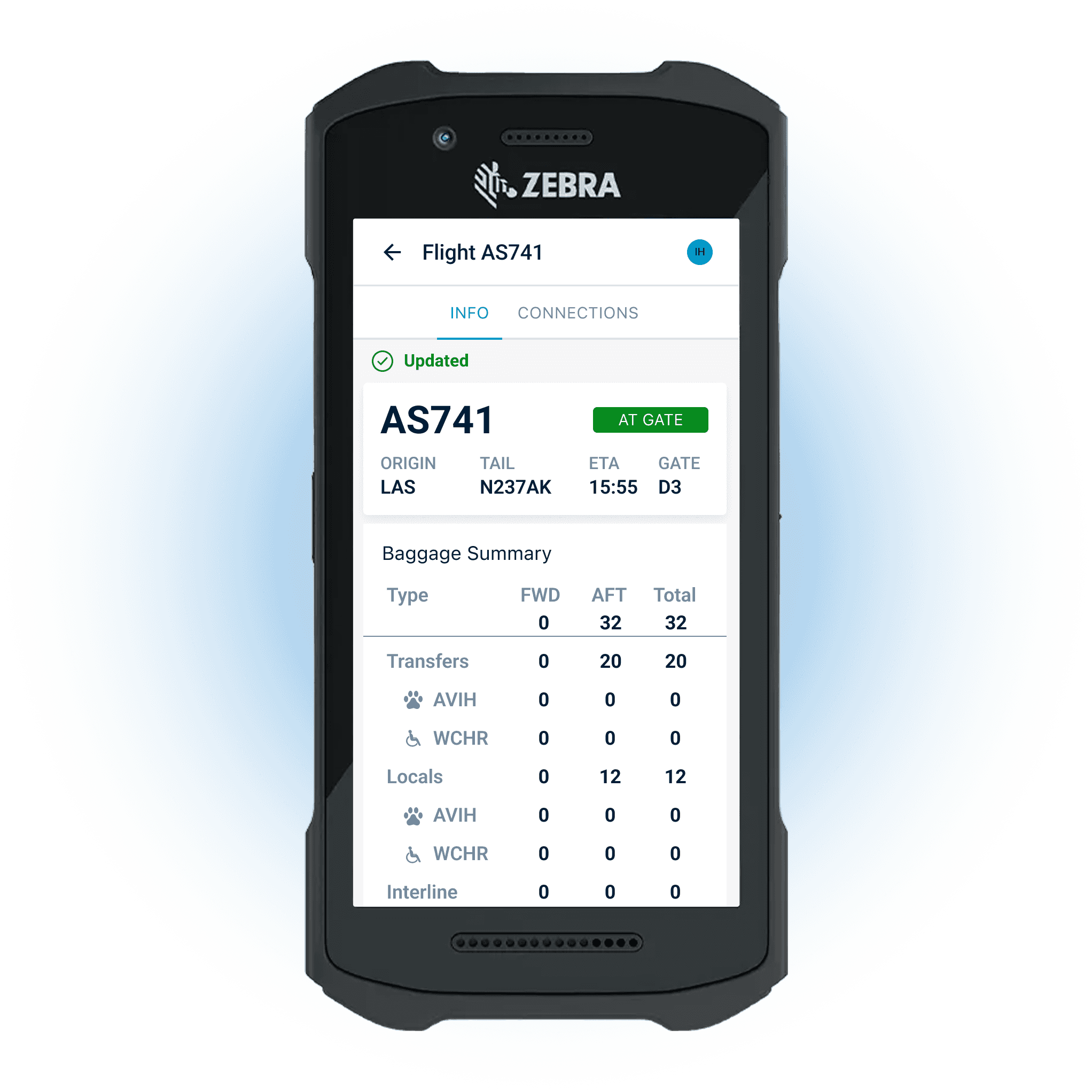
Assignment received on RAMP Mobile
3.5 Before & After
Before
WebTracc
After
RAMP Admin
Conclusion
4.1 Reflection
This project significantly strengthened my enterprise UX skills and cross‑functional collaboration. From field research to iterative prototyping, the process underscored the impact of designing systems that reduce operational friction. Seeing admins genuinely excited for the tool was a highlight of the project.
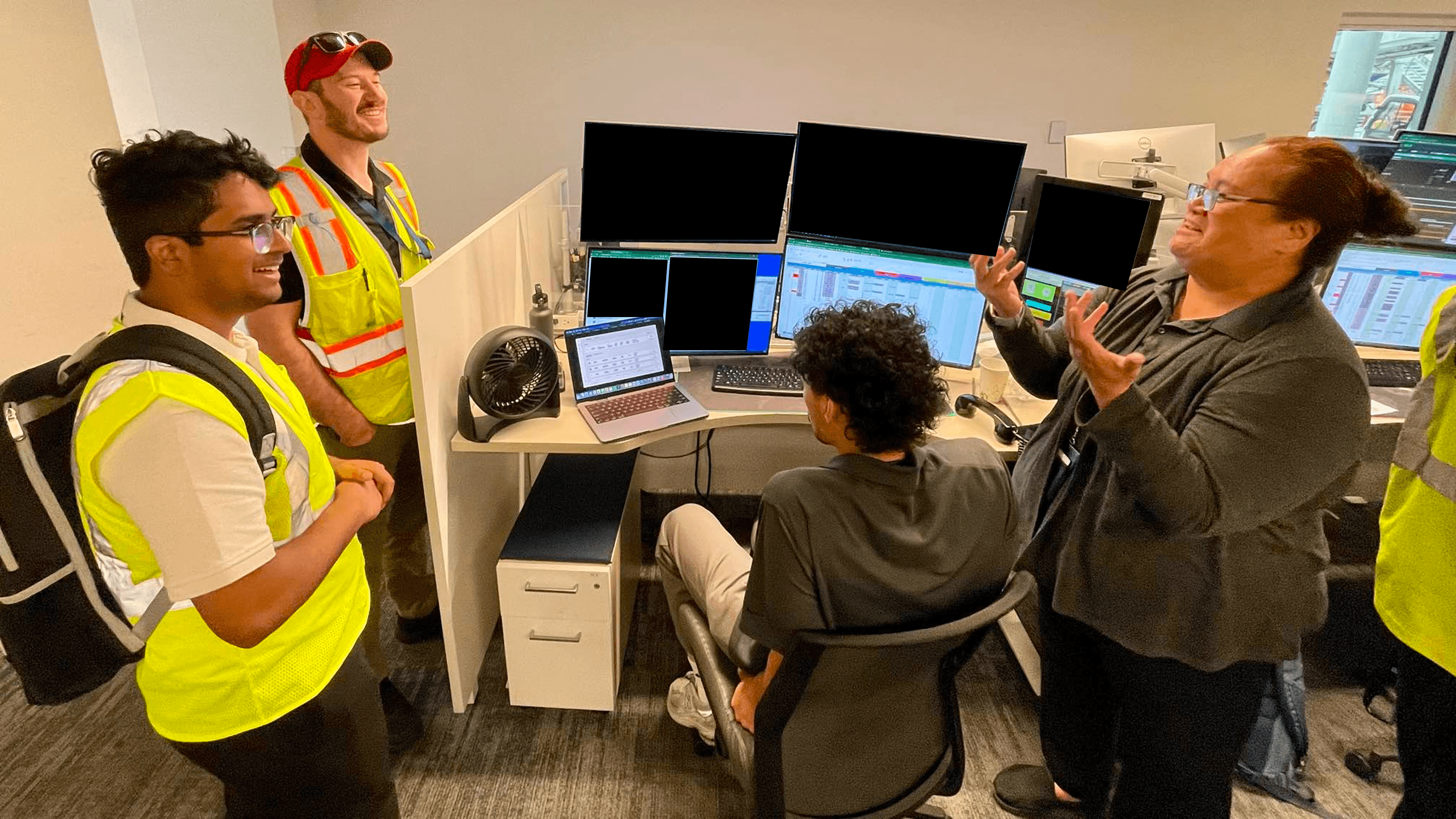
Confidential information is redacted
4.2 Outcomes
RAMP Admin was designed over a 3 month period. This project was done during my internship at Alaska Airlines. I was forunate enough to be the sole designer for this project and to see it launched only 3 months after the end of my internship. Since its launch in November 2023, it has been used to assign agents to at least 22,000 flights.